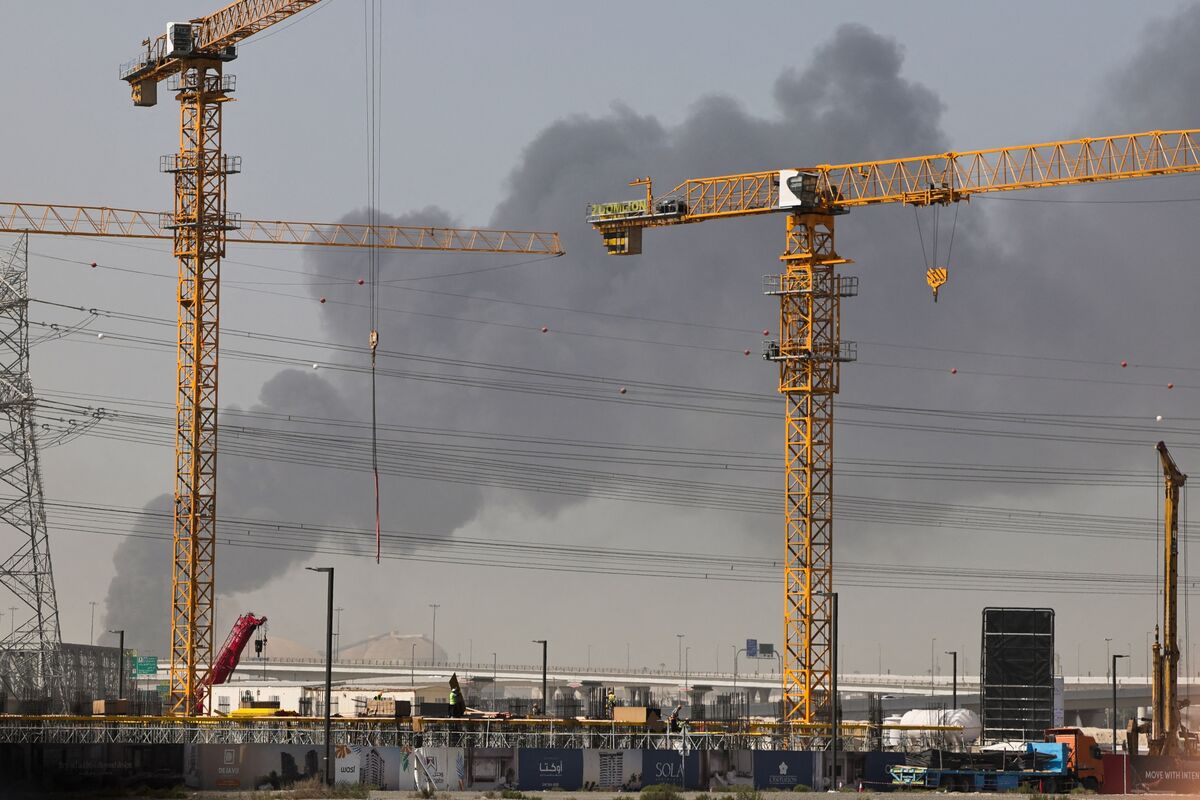
Beyond Conflict: India's Complex Stance on Iran's Nuclear Program and the Taliban
India's foreign policy has always been characterized by a nuanced approach, navigating complex geopolitical landscapes to safeguard its national interests. This intricate dance is perhaps most evident in its relationship with Iran, a nation pivotal to regional stability, energy security, and connectivity in Central Asia. Despite potential common strategic grounds, India's position on Iran's nuclear ambitions and the presence of the Taliban in Afghanistan underscores a historical trajectory marked by both divergence and cautious engagement. Understanding this dynamic requires looking beyond simplistic friend-or-foe narratives to appreciate India's pragmatic diplomacy in the face of ongoing regional and global challenges. The central theme of **iran conflict india** relationships is one of strategic calculation, balancing energy needs, regional security, and broader international partnerships.
Historical Undercurrents: Decades of Divergence and Strategic Re-evaluation
The tapestry of India-Iran relations is woven with threads of varying political alignments and historical shifts. During much of the Cold War, a significant ideological chasm separated the two nations. India championed a non-aligned stance, albeit with strong leanings towards the Soviet Union, while the Imperial State of Iran was firmly ensconced in the Western Bloc, enjoying close ties with the United States. This fundamental difference in geopolitical orientation naturally led to a period of strained relations.
The 1979 Islamic Revolution in Iran marked a significant turning point. Initially, relations saw a brief strengthening as India cautiously welcomed the shift away from a Western-aligned monarchy. However, this momentary convergence soon gave way to renewed friction. Iran's consistent support for Pakistan in the India-Pakistan conflict, particularly on the Kashmir issue, became a major point of contention for New Delhi. Concurrently, India's close ties with Iraq during the protracted Iran-Iraq War further complicated the bilateral relationship, demonstrating how regional conflicts profoundly impact international alliances.
Despite these historical strains, a pragmatic approach has often guided both nations. Today, while common strategic interests, such as connectivity through the Chabahar Port and counter-terrorism, exist, significant differences persist on critical foreign policy issues. For a deeper dive into these historical complexities, explore
India & Iran: Decades of Strain, From Pakistan Ties to Nuclear Fears.
Navigating the Nuclear Maze: India's Stance on Iran's Nuclear Ambitions
One of the most prominent points of divergence between India and Iran is undoubtedly the latter's nuclear program. India has consistently expressed strong opposition to Iran's pursuit of nuclear weapons, aligning its stance with a broad international consensus against nuclear proliferation. This position is deeply rooted in India's own experience as a responsible nuclear power and its commitment to a global non-proliferation regime.
India's concerns are multi-faceted:
- Regional Stability: A nuclear-armed Iran could trigger a dangerous arms race in an already volatile Middle East, leading to unpredictable consequences for global peace and security.
- International Norms: India adheres to international non-proliferation treaties and frameworks, viewing Iran's program with apprehension regarding its potential violation of these norms.
- Security Implications: While India maintains a diplomatic relationship with Iran, the potential for a nuclear **iran conflict** scenario poses significant strategic and security challenges for India, given its extensive energy interests and diaspora in the region.
India understands the complexities of Iran's motivations, which often cite sovereign rights to peaceful nuclear energy and a desire for strategic deterrence. However, India's overarching policy prioritizes stability and the prevention of nuclear proliferation. This means advocating for diplomatic solutions and adherence to international safeguards, even while maintaining crucial economic ties with Tehran, particularly concerning energy imports. India's diplomatic efforts often involve balancing its relationships with Western powers, who have imposed sanctions on Iran, with its own energy security requirements and regional connectivity projects.
Afghanistan's Shadow: India, Iran, and the Taliban Conundrum
The future of Afghanistan remains a critical regional security concern for both India and Iran, though their approaches to the Taliban have differed significantly. Both nations share a common opposition to the Taliban's hardline ideology and its implications for regional security and human rights. However, India's support for the presence of NATO-led forces in Afghanistan prior to their withdrawal highlighted a divergence in strategy.
India's rationale for supporting international military presence was driven by:
- Counter-terrorism: A stable Afghanistan, free from extremist groups, is paramount for India's own security interests, particularly in preventing cross-border terrorism.
- Development and Democracy: India invested significantly in Afghanistan's reconstruction and democratic processes, viewing the international forces as a bulwark against the re-establishment of a fundamentalist regime.
- Regional Influence: A democratic and stable Afghanistan was seen as beneficial for India's strategic presence in Central Asia.
Iran, while opposing the Taliban, has historically maintained complex and often contradictory relations with various Afghan factions, including some level of engagement with the Taliban, driven by its own border security concerns and influence in western Afghanistan. The presence of the Taliban in power following the withdrawal of international forces presents a new set of challenges and opportunities for both India and Iran to re-evaluate their strategies, potentially finding new avenues for cooperation on counter-terrorism and regional stability, despite their past differences. India continues to monitor the situation closely, emphasizing humanitarian aid and the protection of Afghan citizens' rights.
Energy Geopolitics: India's Lifeline Through Turbulent Waters
India's immense energy needs make it particularly vulnerable to geopolitical tensions in the Persian Gulf, a region synonymous with global oil supply. The Strait of Hormuz, a narrow chokepoint through which a significant portion of the world's oil passes, is a constant reminder of this vulnerability. Escalating tensions in the Gulf, potentially involving US/Israel strikes on Iran, directly impact global crude oil prices, as evidenced by recent surges of around 20%. Such volatility significantly drives up gas prices for consumers worldwide, including in India.
India's energy security strategy necessitates a delicate balancing act. While adhering to international sanctions against Iran for its nuclear program, India must also ensure a stable and affordable supply of crude oil for its burgeoning economy. This challenge was highlighted when the U.S. Treasury Department issued a temporary 30-day license, allowing Indian refiners to purchase Russian oil amidst mounting tensions near the Strait of Hormuz. This measure, though short-term and aimed at preventing further market disruption rather than significantly benefiting Russia, underscores India's proactive steps to secure its energy lifeline.
This episode reflects:
- India's Diversification Strategy: New Delhi actively seeks to diversify its energy sources to reduce over-reliance on any single region or supplier, including increasing purchases from Russia when opportunities arise.
- Impact of Geopolitical Conflict: The immediate ripple effect of **iran conflict** scenarios and broader Gulf tensions on global energy markets highlights the interconnectedness of international security and economic stability.
- Diplomatic Maneuvers: India's ability to negotiate such waivers demonstrates its critical role in global energy markets and its diplomatic leverage.
For a deeper look into how India navigates these turbulent energy waters, check out
India's Oil Lifeline: Navigating Gulf Tensions and Russian Oil Waivers. India's long-term strategy involves investing in renewable energy sources and exploring new oil and gas fields, but in the interim, managing traditional supply chains through diplomacy and strategic partnerships remains paramount.
Conclusion: India's Pragmatic Path Forward
India's relationship with Iran is a microcosm of its broader foreign policy: pragmatic, multi-aligned, and deeply rooted in national interest. From historical ideological divides to contemporary concerns over nuclear proliferation and regional stability in Afghanistan, India has consistently navigated a path that prioritizes its energy security, strategic autonomy, and commitment to global peace. While significant differences remain, particularly regarding Iran's nuclear program and past approaches to the Taliban, both nations also share common ground on issues like regional connectivity and counter-terrorism. The ongoing global energy crises and geopolitical shifts in the Middle East only further underscore the criticality of India's nuanced approach. New Delhi continues to balance its relationships with key global players, ensuring that its diplomatic engagements with Iran, despite inherent complexities, serve its strategic imperatives in an ever-evolving world.